The history of cannabis and magic mushrooms stretches across centuries, reflecting a long relationship between humans and naturally occurring plants and fungi. Historical records, cultural traditions, and modern scientific investigations continue to reveal how these substances have been explored for a variety of purposes. While knowledge has evolved over time, ongoing research has encouraged a more informed understanding of their characteristics, potential, and historical significance. Learning about their past provides valuable context for current discussions and highlights how scientific curiosity continues to shape modern perspectives through careful observation and evidence-based exploration.
Early Historical Connections
Ancient records suggest that cannabis and magic mushrooms have attracted attention for generations because of their unique natural properties.
- Used in traditional cultural practices.
- Valued for their botanical characteristics.
- Studied through observation over long periods.
- Passed down through historical knowledge.
- Recognized as naturally occurring resources.
These early experiences laid the foundation for future scientific interest and encouraged continued exploration.
Growth Of Scientific Interest
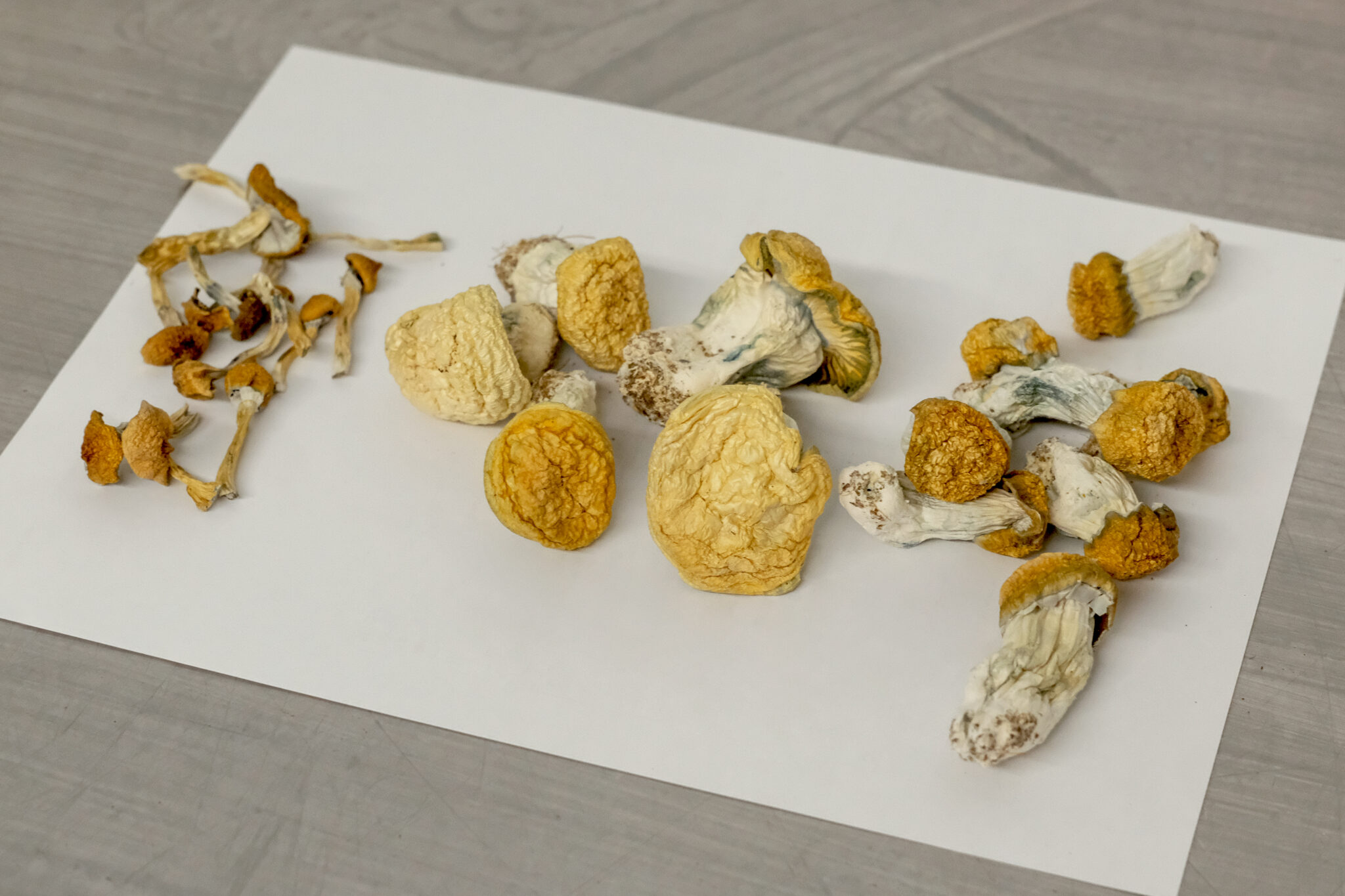
As research methods improved, experts began examining cannabis and magic mushrooms with greater precision.
- Better understanding of natural compounds.
- Improved laboratory analysis techniques.
- Expanded botanical classification.
- Increased focus on measurable findings.
- Careful documentation of observations.
- Greater emphasis on evidence-based research.
Many educational resources also discuss related findings, and readers may discover additional information through https://www.ebalancediet.com/effective-cannabis-and-magic-mushrooms-supporting-everyday-cognitive-wellness/ while exploring broader scientific perspectives.
Modern Research Developments
Recent studies continue building on historical knowledge by applying advanced scientific methods.
- Investigation of plant and fungal chemistry.
- Analysis of naturally occurring compounds.
- Improved understanding of biological interactions.
- More comprehensive laboratory evaluations.
- Growing collection of published findings.
- Continued focus on responsible scientific inquiry.
These developments allow researchers to compare historical observations with modern analytical techniques.
Why Historical Research Matters
Studying the history of cannabis and magic mushrooms offers valuable insights for researchers and readers alike.
- Connects historical traditions with modern science.
- Encourages informed discussions.
- Supports evidence-based learning.
- Promotes accurate interpretation of historical records.
- Inspires future scientific discoveries.
- Highlights the importance of careful documentation.
Historical knowledge also helps separate traditional beliefs from findings supported by contemporary research.
Looking Ahead With Continued Exploration
Scientific exploration continues expanding knowledge about cannabis and magic mushrooms while respecting their historical background.
- New research questions continue emerging.
- Better analytical tools improve accuracy.
- Historical records remain valuable references.
- Natural compounds receive ongoing examination.
- Collaboration supports broader understanding.
- Evidence continues shaping future perspectives.
Examining the history of cannabis and magic mushrooms demonstrates how curiosity, observation, and scientific progress work together over time. Their historical journey reflects centuries of learning, while modern research continues refining knowledge through careful investigation. As evidence grows, understanding becomes more balanced, encouraging thoughtful discussions grounded in documented research. This ongoing combination of historical insight and scientific discovery helps create a clearer picture of these natural substances and their lasting significance within the broader study of nature and human knowledge