Building Better Performance Through Proactive Valve Maintenance

Reliable valve performance is essential for maintaining smooth operations, consistent fluid movement, and efficient equipment functionality. Proactive maintenance helps identify developing concerns early while supporting dependable operation and longer service life. Understanding common warning indicators through resources on https://www.vincervalve.com/solenoid-valve-failure-symptoms/ can help maintenance teams recognize changes in valve behavior and take appropriate action. A structured maintenance approach also encourages better equipment management, improves operational consistency, and supports uninterrupted performance across different fluid control applications.

Understanding the Importance of Proactive Valve Maintenance

Regular valve maintenance helps preserve mechanical accuracy and supports reliable system performance. Rather than waiting for noticeable operational changes, scheduled inspections allow maintenance teams to monitor important components and maintain suitable operating conditions.

Key advantages include:

  • Improved Reliability: Routine checks help maintain dependable valve functionality.
  • Extended Service Life: Proper care supports component durability and consistent operation.
  • Better Flow Regulation: Clean internal passages encourage smooth and controlled fluid movement.
  • Operational Efficiency: Well-maintained valves contribute to coordinated equipment performance.
  • Reduced Maintenance Interruptions: Planned servicing supports organized maintenance activities.
  • Consistent Output: Regular monitoring helps preserve predictable operating conditions.

Essential Practices for Effective Valve Maintenance
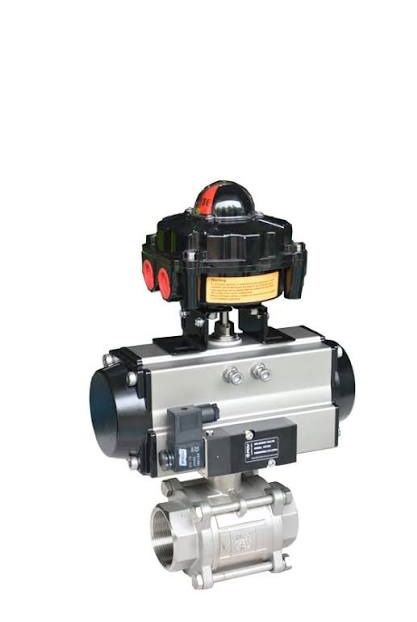
Solenoid Valve

A systematic maintenance routine combines visual inspections, performance monitoring, and suitable component care. Following consistent procedures helps maintain valve responsiveness and operational accuracy.

Important maintenance practices include:

  • Inspect External Surfaces: Examine valve bodies for visible wear, corrosion, or unusual changes.
  • Check Electrical Connections: Ensure wiring and terminals remain properly secured.
  • Clean Valve Components: Remove accumulated dust and suitable deposits using recommended methods.
  • Examine Sealing Elements: Check seals and gaskets for wear while maintaining effective closure.
  • Monitor Operating Pressure: Compare pressure conditions with recommended operating specifications.
  • Evaluate Flow Performance: Observe fluid movement for consistent regulation and suitable output.
  • Test Activation Response: Confirm that electrical signals produce appropriate valve movement.
  • Maintain Proper Lubrication: Apply compatible lubricants wherever the valve design requires them.

Recognizing Early Indicators of Maintenance Requirements

Monitoring operational behavior provides useful information about valve condition. Identifying small changes early encourages timely attention and helps maintain dependable performance.

Maintenance teams should observe:

  • Unusual sounds during valve activation.
  • Changes in normal opening or closing response.
  • Inconsistent fluid flow or pressure variation.
  • Visible leakage around connection points.
  • Unexpected temperature changes near operating components.
  • Irregular electrical activation or interrupted responses.

Recording these observations creates a useful maintenance history and supports informed servicing decisions.

Creating a Consistent Preventive Maintenance Schedule

An organized maintenance schedule ensures that essential inspection activities receive regular attention. Different valves may require different servicing intervals depending on operating conditions, fluid characteristics, and equipment usage.

Effective scheduling strategies include:

  • Establishing routine daily visual inspections.
  • Planning periodic functional performance tests.
  • Recording inspection findings and completed maintenance activities.
  • Replacing worn components according to manufacturer recommendations.
  • Keeping suitable replacement parts readily available.
  • Reviewing maintenance records to identify recurring patterns.

Supporting Long-Term Equipment Performance

Proactive valve maintenance creates opportunities for improved reliability, smoother operations, and efficient equipment management. Combining regular inspections, timely servicing, and performance monitoring helps maintain dependable fluid regulation. Additional technical information available through https://www.vincervalve.com/de/ can further support product understanding and informed maintenance decisions. With consistent attention to component condition and operating requirements, maintenance teams can strengthen equipment performance, encourage longer service life, and maintain reliable fluid control across demanding applications.


Advanced Solenoid Valve Designs for Better System Control

Modern industrial systems require accurate flow regulation, dependable operation, and efficient performance. Advanced solenoid valve designs contribute significantly to these requirements by providing improved control over liquids, gases, and other flowing media. With innovative engineering, enhanced materials, and intelligent operating mechanisms, these valves support smoother processes and greater equipment efficiency across various industrial applications.

Understanding Advanced Solenoid Valve Technology

Solenoid valves use electromagnetic energy to control the movement of internal components, allowing fluid or gas to pass through or stop within a system. Modern designs introduce improvements that enhance operating accuracy, response speed, and overall functionality.

Important design developments include:

  • Improved Electromagnetic Coils: Advanced coil configurations provide reliable activation and consistent switching performance.
  • Optimized Internal Structures: Refined internal components support smooth movement and effective flow regulation.
  • Compact Construction: Space-saving designs simplify installation within modern equipment.
  • Enhanced Sealing Systems: Quality sealing arrangements support dependable operation and controlled flow.
  • Durable Materials: Carefully selected materials contribute to long service life and consistent functionality.

Features That Improve System Control

Advanced solenoid valve configurations offer several features that help industries achieve better operational control. Understanding their working principles, as explained in https://www.vincervalve.com/what-is-a-solenoid-valve/, helps equipment planners identify suitable solutions for their requirements.

Some valuable features include:

  • Fast Response Mechanisms: Quick switching supports accurate control during changing operating conditions.
  • Precise Flow Management: Improved valve structures help maintain consistent fluid movement.
  • Energy-Efficient Coils: Optimized electrical designs support effective power consumption.
  • Flexible Operating Options: Different configurations accommodate various pressure, temperature, and flow requirements.
  • Reliable Automation Integration: Compatible designs support coordinated equipment operation.

Applications Across Industrial Systems

Advanced solenoid valves contribute to efficient performance in different equipment categories. Their adaptable construction makes them valuable components in automated processes.

Common applications include:

  • Manufacturing machinery requiring controlled fluid movement.
  • Pneumatic equipment supporting accurate air distribution.
  • Water management systems requiring dependable flow regulation.
  • Packaging machinery operating through automated sequences.
  • Process equipment benefiting from consistent fluid control.
  • Specialized production systems requiring repeatable switching operations.

These applications demonstrate how thoughtful valve selection can support productivity and improve overall equipment coordination.

Choosing Designs for Better Performance

Selecting an appropriate solenoid valve involves understanding the operating requirements and system conditions. Several considerations help achieve effective integration:

  • Evaluate the required flow capacity and operating pressure.
  • Identify the suitable valve configuration for the application.
  • Consider the electrical voltage and coil specifications.
  • Check material compatibility with the operating medium.
  • Review temperature requirements and environmental conditions.
  • Prioritize installation convenience and maintenance accessibility.

Supporting Future Industrial Efficiency

Continuous improvements in solenoid valve engineering are creating opportunities for more responsive and adaptable industrial systems. Advanced designs combine dependable switching, efficient energy use, durable construction, and accurate flow management. By selecting suitable configurations and considering essential operating factors, industries can strengthen automation processes, improve equipment coordination, and achieve consistent results. Investing in advanced solenoid valve technology supports reliable system control while creating a strong foundation for efficient and productive industrial operations.

Effective Wiring Connections Strengthen Surge Protection Performance

Reliable electrical installations depend on carefully planned wiring arrangements, suitable protective equipment, and effective connections. Surge Protection Devices (SPDs) help safeguard electrical systems by managing transient overvoltages and directing excess surge energy toward an appropriate grounding path. Proper wiring connections play an essential role in achieving their intended protective performance. Accurate installation practices also support electrical stability, equipment reliability, and efficient power distribution. Understanding connection requirements helps create organized protection systems that deliver consistent results.

Understanding the Importance of SPD Wiring Connections

Correct wiring arrangements allow surge protection devices to respond effectively when transient overvoltages occur. Connection quality, conductor selection, and grounding arrangements influence the overall performance of the protective system.

Important wiring considerations include:

  • Maintaining secure connections between SPD terminals and electrical conductors.
  • Selecting suitable conductor sizes according to installation requirements.
  • Keeping connecting conductors short and direct.
  • Establishing reliable grounding and bonding connections.
  • Ensuring compatibility with the electrical distribution configuration.

Selecting Suitable Conductors for Reliable Performance

Conductor selection contributes significantly to the effectiveness of surge protection installations. Appropriate wire sizes and suitable electrical characteristics help support surge current handling while maintaining dependable connections throughout the installation.

Several factors support effective conductor selection:

  • Conductor cross-section: Provides suitable current-carrying capability for the intended application.
  • Insulation quality: Supports reliable electrical separation and installation durability.
  • Connection length: Shorter conductors help reduce additional voltage developed during surge events.
  • Material compatibility: Supports dependable electrical contact and connection quality.
  • Installation arrangement: Encourages organized routing and convenient maintenance access.

Understanding SPD Wiring Diagrams

Electrical wiring diagrams provide valuable guidance for understanding terminal arrangements, protective connections, and grounding requirements. They help installers visualize the relationship between supply conductors, protective devices, and distribution equipment.

Reviewing https://lsp.global/surge-protection-device-wiring-diagram/ provides useful information about SPD wiring configurations and connection principles. Understanding these arrangements helps improve installation planning and supports accurate equipment integration.

Useful diagram-related considerations include:

  • Identifying phase, neutral, and protective earth connections.
  • Understanding single-phase and three-phase configurations.
  • Recognizing appropriate SPD connection points.
  • Reviewing upstream overcurrent protection arrangements.
  • Confirming terminal identification before completing connections.

Strengthening Grounding and Bonding Arrangements

Effective grounding provides an essential pathway for managing surge energy within an electrical installation. Proper bonding also helps maintain consistent electrical potential between connected components, supporting overall system coordination.

Reliable grounding practices encourage:

  • Secure connections between protective devices and grounding conductors.
  • Appropriate grounding conductor dimensions.
  • Low-impedance connection arrangements.
  • Proper bonding between relevant electrical components.
  • Regular inspection of grounding connections.

Maintaining Consistent Electrical Protection

Routine inspection helps preserve the quality and reliability of SPD wiring connections. Evaluating conductor condition, terminal tightness, and protective device indicators supports dependable operation throughout the installation’s service life.

Important maintenance activities include:

  • Checking terminals for secure connections.
  • Reviewing conductor insulation condition.
  • Monitoring SPD status indicators.
  • Inspecting grounding and bonding arrangements.
  • Following recommended equipment maintenance schedules.

Creating Efficient Surge Protection Installations

Effective wiring connections strengthen surge protection performance by supporting coordinated electrical pathways, reliable grounding, and appropriate device integration. Careful conductor selection, accurate terminal identification, and organized installation practices contribute to dependable protection. Combining these considerations with regular maintenance helps improve equipment reliability, installation efficiency, and long-term electrical system performance.

Modern Detection Technologies Strengthen Environmental Monitoring And Management

Environmental monitoring plays an important role in maintaining safe surroundings, protecting natural resources, and supporting responsible property development. Modern detection technologies provide valuable capabilities for identifying environmental conditions, evaluating potential concerns, and improving management practices. Through advanced sensors, accurate measurement techniques, and continuous monitoring solutions, professionals can collect meaningful information and make informed decisions. These innovations encourage better environmental awareness while supporting long-term safety, efficiency, and sustainability across residential, commercial, and industrial environments.

Improving Accuracy Through Advanced Detection Technologies

Modern detection equipment helps professionals collect reliable environmental information and evaluate changing conditions with greater precision. Advanced measurement capabilities make monitoring activities more effective while supporting informed decisions and consistent environmental management.

  • Use advanced sensors to identify environmental changes.
  • Collect accurate measurements for detailed evaluations.
  • Monitor air quality and surrounding environmental conditions.
  • Detect variations that require professional attention.
  • Support informed decisions through reliable monitoring data.

Strengthening Indoor Environmental Monitoring

Navigating Construction

Maintaining suitable indoor conditions contributes to comfortable and productive building environments. Modern detection technologies help evaluate important indoor environmental factors, allowing property owners and professionals to understand conditions and introduce appropriate improvements.

  • Monitor indoor air quality and ventilation conditions.
  • Identify potential changes in indoor environmental parameters.
  • Evaluate temperature and humidity levels.
  • Support effective building environmental assessments.
  • Encourage comfortable indoor conditions through regular monitoring.

Supporting Early Detection And Preventive Management

Reliable detection solutions help professionals recognize environmental variations and evaluate potential concerns before they require extensive attention. Continuous monitoring and timely assessments create opportunities for proactive management and more effective environmental protection.

  • Identify unusual environmental readings through sensor technology.
  • Monitor changes in surrounding air conditions.
  • Provide useful information for preventive maintenance.
  • Support timely professional inspections and evaluations.
  • Encourage proactive environmental management practices.

Enhancing Efficiency Through Smart Monitoring Solutions

Advanced monitoring systems simplify environmental assessments by making information easier to collect, organize, and evaluate. These capabilities help professionals manage monitoring activities efficiently while improving the quality of environmental planning and reporting.

  • Automate routine environmental measurement activities.
  • Organize collected information for convenient analysis.
  • Support continuous monitoring of selected environmental conditions.
  • Improve reporting through consistent measurement records.
  • Help professionals manage multiple monitoring requirements efficiently.

Promoting Sustainable Environmental Management

Responsible environmental management depends on accurate information and thoughtful planning. Modern detection technologies provide useful insights that help organizations and property owners understand environmental conditions, manage resources, and encourage sustainable operational practices.

  • Support responsible resource management decisions.
  • Encourage informed environmental planning.
  • Help evaluate changes in surrounding conditions.
  • Improve awareness of environmental performance.
  • Contribute to long-term sustainability objectives.

Professionals and property owners can visit website resources to explore additional information about environmental monitoring methods and available detection solutions.

Creating Better Opportunities For Environmental Protection

Modern detection technologies provide valuable support for effective environmental monitoring and management. Their accuracy, adaptability, and continuous measurement capabilities help professionals understand changing conditions and develop suitable solutions. By combining advanced equipment, regular assessments, and responsible management practices, buildings and surrounding environments can benefit from improved monitoring and long-term protection. Continued technological advancement will create even greater opportunities for maintaining safer surroundings and supporting sustainable development.

Freelance Vacancies in Civil Engineering and Emerging Industry Trends

Civil engineering continues to evolve as construction methods, infrastructure planning, and project management practices advance. These developments are creating exciting opportunities for independent professionals who want greater flexibility and variety in their careers. Freelance vacancies allow skilled engineers to contribute their expertise to different projects while developing valuable professional relationships and expanding their technical knowledge.

The growing demand for specialized services is encouraging engineers to explore independent work arrangements. Through opportunities such as ZZP civiele techniek, professionals can discover assignments that align with their experience, career goals, and preferred working schedules.

Emerging Trends Shaping the Industry

1. Sustainable Construction Practices

Environmental responsibility has become an important consideration in modern engineering. Freelancers with knowledge of sustainable design can support projects that prioritize efficiency and resource conservation.

  • Planning energy-efficient structures and infrastructure.
  • Recommending durable, environmentally responsible materials.
  • Supporting waste reduction throughout construction activities.
  • Improving resource management during project development.

2. Digital Engineering and Technical Planning

Personal Coaching

Digital methods are transforming how engineers organize information, coordinate teams, and prepare project documentation. Independent specialists who adapt to these developments can strengthen their professional value.

  • Preparing accurate technical drawings and project records.
  • Supporting digital modeling and design coordination.
  • Reviewing engineering data for improved planning.
  • Helping teams maintain consistent project documentation.

3. Infrastructure Development Opportunities

Ongoing infrastructure improvements create opportunities for engineers with expertise in transportation, drainage, structural planning, and site development. Freelancers can contribute specific skills during different project stages.

  • Conducting preliminary engineering assessments.
  • Assisting with infrastructure design and development.
  • Supporting quality control and technical inspections.
  • Coordinating construction schedules and project requirements.

Benefits of Freelance Engineering Careers

Greater Flexibility and Professional Independence

Freelancing offers professionals more control over their working arrangements and career direction. Engineers can pursue assignments that match their strengths while building a diverse portfolio.

Important benefits include:

  • Flexible scheduling: Organize work around agreed project deadlines.
  • Project variety: Gain experience across different engineering disciplines.
  • Skill development: Learn new methods through practical assignments.
  • Professional networking: Build connections with clients and project teams.
  • Career ownership: Select opportunities that support long-term ambitions.

Skills That Strengthen Freelance Opportunities

Successful independent engineers combine technical expertise with communication, organization, and problem-solving abilities. These qualities help maintain dependable working relationships and support effective project delivery.

Valuable skills include:

  • Structural calculations and engineering fundamentals.
  • Construction planning and cost estimation.
  • Technical reporting and documentation.
  • Risk assessment and quality management.
  • Time management and client communication.
  • Adaptability to changing project requirements.

Preparing for Future Industry Changes

Emerging construction techniques and evolving infrastructure priorities are likely to create additional opportunities for specialized professionals. Engineers who continually improve their knowledge can respond confidently to changing client expectations.

Freelancers can prepare by pursuing relevant training, maintaining an updated portfolio, learning sustainable engineering principles, and strengthening their understanding of modern construction standards. Clear communication and reliable delivery also help establish lasting professional relationships.

Conclusion

Freelance vacancies in civil engineering offer an appealing route toward professional independence, continuous learning, and varied project experience. As sustainability, digital planning, and infrastructure development influence the industry, adaptable engineers can position themselves for promising assignments. By combining strong technical knowledge with practical experience and effective collaboration, freelance professionals can build rewarding careers while contributing to efficient, innovative, and sustainable engineering projects.


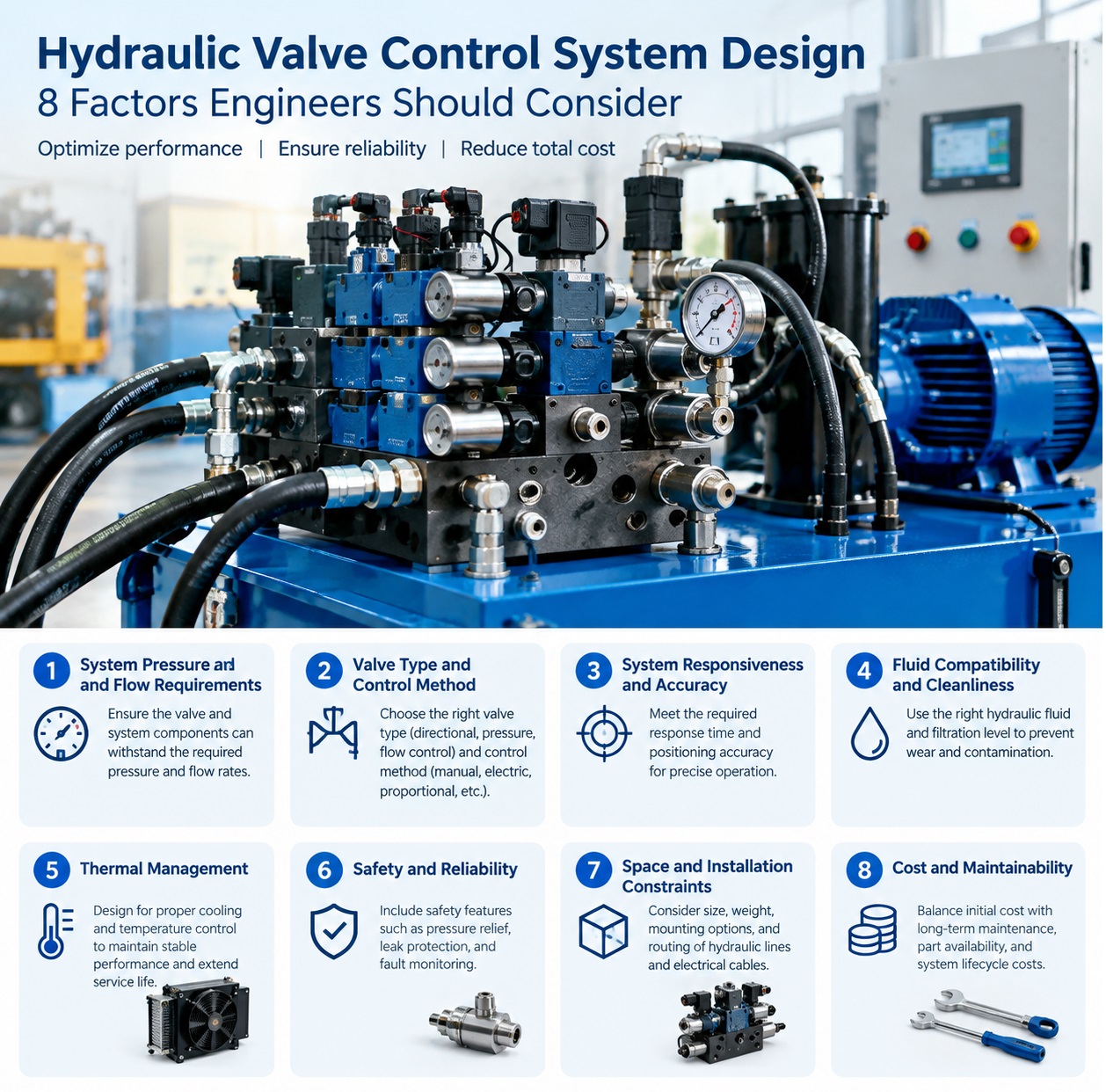
Hydraulic Valve Control System Design: 8 Factors Engineers Should Consider


Hydraulic Control System A hydraulic valve control system rarely fails because the catalog looked good on paper. It fails because somebody ignored the ugly details. Flow forces. Deadband. Contamination. Heat. The difference between a machine that cycles a million times and one that leaks, sticks, or cooks its oil usually comes down to eight decisions made long before the first fitting is tightened. Here is what engineers should pressure-test during design, and where a good partner can save months of guesswork.

  1. Duty cycle and dynamic response Not every valve needs to be fast. But if your machine needs 20 Hz response, you cannot pick a valve by pressure rating alone. Look at step response, settling time, hysteresis, and repeatability. A valve that looks fine on a spec sheet can lag badly under real load. Duty cycle also affects coil temperature, seal life, and spool wear. If the machine runs three shifts a day, the design must assume three shifts of heat and contamination. We model duty cycle with you so the valve is not the weak link after six months.
  2. Fluid cleanliness and contamination tolerance Clearances in servo and proportional valves are tiny. If filtration is not specified to the right ISO 4406 class, you are designing a failure schedule. Consider flush procedures, filter placement, reservoir breathing, and whether the system will be serviced in a dirty environment. Contamination tolerance is not a feature you add later. It is a design choice. A valve that survives a clean test bench may fail in a foundry, a mine, or a mobile machine where dust and debris are normal.
  3. Pressure and flow envelope, not just one point A valve rated for 350 bar and 100 L/min may not deliver both at once. Check pressure drop curves, flow coefficients, saturation, and return-line restrictions. The operating envelope matters more than the headline numbers. Ask for real curves, not marketing curves. If the system spends most of its time at low flow and high pressure, the valve may be fine. If it needs high flow at high pressure, the wrong spool can turn a controlled motion into a heat generator.
  4. Control architecture and command strategy On/off, proportional, servo, or digital axis controller? Each choice changes cost, tuning, and troubleshooting. Decide whether you need closed-loop position, force, pressure, or simple direction control. The wrong architecture can make simple motion expensive or precision motion impossible. A proportional valve with the right amplifier may beat a servo valve with the wrong feedback. Match the architecture to the job, not to the brochure.
  5. Feedback and sensing Without reliable feedback, control is guesswork. Position sensors, pressure transducers, load cells, and temperature sensors must match the control loop speed and the environment. Noise, drift, and wiring routing can wreck a good valve. Build sensor diagnostics into the architecture from day one. If the controller cannot tell the difference between a stuck spool and a bad sensor, every fault becomes a downtime mystery.
  6. Environmental and safety demands Mining, offshore, food processing, mobile equipment, and factory automation each punish valves differently. Vibration, washdown, temperature swings, EMI, and explosive atmospheres affect seals, coils, connectors, and electronics. Safety functions like redundant shutoffs, fail-safe positions, and safe torque off need to be designed in, not bolted on. A valve that works in a clean lab may be the wrong choice for a machine that runs outdoors in January.
  7. Energy efficiency and heat Throttling losses become heat. Heat degrades oil and seals. If your system spends most of its time holding pressure, consider load sensing, variable displacement, or regenerative circuits. A valve control system that runs cooler often lasts longer and needs less cooling hardware. That saves space, weight, and maintenance. Efficiency is not just a green claim. It is a reliability strategy.
  8. Serviceability, diagnostics, and lifecycle cost The cheapest valve at purchase can be the most expensive at 2 a.m. during a production stoppage. Look at spares, calibration, tuning software, error codes, and how easy it is to replace a coil or cartridge. Design for the technician who will maintain it. That is not charity. That is uptime. A system that is easy to diagnose gets fixed faster, and faster fixes protect your production targets.

The best hydraulic valve control system design is not a parts list. It is a set of trade-offs made with clear eyes. Bring the real constraints early: duty cycle, fluid, environment, controls, and maintenance reality. A supplier can sell you a valve. A design partner can help you choose the architecture, validate it, and get it into production without the usual trial-and-error. That is the difference between a system that works on paper and one that works on the floor.

Skilled Tailors Create Beautiful Outfits With Exceptional Craftsmanship

Beautiful clothing often begins with the skill, creativity, and attention to detail of an experienced tailor. Through precise measurements, thoughtful fabric selection, and careful stitching, skilled tailors transform individual ideas into elegant garments that reflect personal preferences. Their craftsmanship combines practical knowledge with artistic vision, creating outfits that offer comfort, confidence, and a polished appearance for many occasions.

Precision Tailoring Creates A Perfect Fit

A well-fitted outfit enhances natural proportions and allows the wearer to move comfortably. Skilled tailors carefully consider measurements, garment structure, and individual preferences to create balanced silhouettes that complement different body shapes and styling choices.

  • Accurate measurements for better proportions
  • Carefully shaped shoulders and sleeves
  • Balanced lengths for elegant silhouettes
  • Comfortable construction for natural movement
  • Refined finishing for a polished appearance

This attention to fit helps every garment feel thoughtfully designed. By adjusting important details, tailors create clothing that reflects individuality while maintaining a sophisticated and harmonious appearance.

Quality Fabrics Enhance Garment Beauty

Fabric selection plays an important role in the appearance, comfort, and durability of finished clothing. Skilled tailors understand how different materials behave during cutting, stitching, and shaping, helping them choose suitable fabrics for each design.

Soft cotton, lightweight linen, smooth blends, and textured materials offer distinctive qualities. Selecting the right fabric allows tailors to achieve attractive draping, comfortable movement, and a refined finish that complements the intended garment style.

Expert Stitching Demonstrates Exceptional Skill

Careful stitching contributes to both the strength and visual appeal of an outfit. Experienced tailors pay attention to seam alignment, consistent stitches, secure edges, and clean finishing. These details help garments maintain their shape while presenting a neat and professional appearance.

Important elements of quality stitching include:

  • Even seams for a clean finish
  • Secure stitching for lasting construction
  • Neat hems for balanced proportions
  • Carefully attached buttons and fasteners
  • Smooth linings for additional comfort

Through patience and technical expertise, tailors bring every part of a garment together beautifully. Their dedication helps transform carefully selected materials into clothing that feels complete and thoughtfully crafted.

Personalized Designs Express Individual Style

Tailoring provides opportunities to create outfits that match personal tastes, preferred colors, and specific styling requirements. Rather than relying on a single design approach, skilled tailors can incorporate individual ideas into garments that feel distinctive and meaningful.

Creative options may include elegant collars, decorative cuffs, flattering waistlines, and carefully selected buttons. These details allow customers to enjoy clothing that reflects their personalities while preserving a balanced and attractive overall design.

Thoughtful Finishing Elevates Every Outfit

The final stages of tailoring give garments their distinctive character. Pressing, trimming loose threads, checking seams, and refining small details contribute to a clean appearance that highlights the quality of the workmanship.

Skilled tailors also consider how different garment elements work together. Coordinated patterns, complementary colors, and balanced proportions create a harmonious result that looks elegant from every angle.

Craftsmanship Builds Lasting Wardrobe Value

Skilled tailoring brings together precision, creativity, and dedication to produce beautiful outfits with lasting appeal. Careful measurements, quality materials, expert stitching, and personalized details contribute to garments that feel comfortable and look refined.

By combining traditional techniques with contemporary design ideas, talented tailors help individuals enjoy clothing that reflects their preferences and confidence. Exceptional craftsmanship makes every carefully created outfit a meaningful expression of personal style and thoughtful fashion.

Michael Tailors
Phone: +66827318786
Url: https://michaeltailors.com/
Room 1D-09, End of zone – D, G-floors, Mbk center
PathumWan, Bangkok 10330

Third Party Logistics Services for Flexible Inventory Management

Flexible inventory management helps businesses maintain the right stock levels while responding efficiently to changing customer demand. Third party logistics services provide valuable support by coordinating storage, order fulfillment, transportation, and inventory tracking. These solutions make it easier to manage products efficiently, improve operational flexibility, and maintain a consistent flow of goods.

With adaptable logistics support, businesses can benefit from:

  • Scalable Storage Capacity: Adjust storage requirements according to seasonal demand, product launches, and changing sales volumes.
  • Efficient Stock Distribution: Organize inventory strategically to support faster order processing and smoother deliveries.
  • Improved Resource Allocation: Reduce the workload associated with managing storage facilities and daily inventory operations.
  • Flexible Fulfillment Options: Handle different order quantities while maintaining reliable service standards.
  • Better Operational Planning: Coordinate inventory movement with purchasing schedules and customer requirements.

Supporting Smarter Inventory Control

Accurate inventory information helps businesses make confident decisions about purchasing, replenishment, and product availability. Logistics specialists provide structured processes that improve stock visibility and simplify inventory coordination.

Important advantages include:

  • Real-Time Stock Visibility: Monitor available quantities, incoming shipments, and outgoing orders to support informed decisions.
  • Reduced Overstocking: Align inventory levels with demand patterns and avoid unnecessary storage commitments.
  • Faster Replenishment: Identify products that require restocking and coordinate timely inventory movements.
  • Organized Stock Rotation: Apply suitable handling practices to maintain product quality and improve warehouse efficiency.
  • Reliable Order Accuracy: Use consistent picking, packing, and verification procedures to support dependable fulfillment.

These capabilities create a more responsive inventory system that can accommodate business growth without adding unnecessary complexity to everyday operations.

Improving Flexibility Through Professional Logistics

Outsourcing logistics activities gives businesses greater freedom to focus on product development, customer relationships, and strategic planning. When evaluating options such as Best 3PL near me, businesses can consider service flexibility, inventory visibility, fulfillment capabilities, and the ability to accommodate changing requirements.

A suitable logistics arrangement can deliver several practical benefits:

  • Demand-Based Scaling: Increase or decrease logistics capacity as sales activity changes throughout the year.
  • Simplified Warehouse Management: Reduce the administrative effort involved in coordinating storage, handling, and dispatch.
  • Streamlined Returns Processing: Organize returned products efficiently and support quicker decisions about restocking.
  • Consistent Customer Service: Maintain dependable order preparation and delivery processes during periods of increased demand.
  • Flexible Distribution Planning: Adjust shipment schedules and fulfillment priorities to meet evolving customer expectations.

Building Long-Term Inventory Efficiency

Strong logistics partnerships encourage continuous improvement through better coordination, clear communication, and measurable performance goals. Businesses can review inventory turnover, fulfillment speed, order accuracy, and storage utilization to identify opportunities for improvement.

Practical strategies include:

  • Regular Performance Reviews: Evaluate logistics results and adjust inventory procedures when necessary.
  • Collaborative Forecasting: Share demand expectations and purchasing plans to improve stock availability.
  • Clear Inventory Policies: Establish consistent procedures for receiving, storing, counting, and dispatching products.
  • Growth-Ready Operations: Choose adaptable services that can support expanding product ranges and increasing order volumes.

Creating a More Responsive Supply Chain

Third party logistics services make flexible inventory management easier through scalable storage, organized fulfillment, and dependable inventory coordination. By combining accurate stock information with adaptable logistics capacity, businesses can respond confidently to market changes, use resources efficiently, and provide a consistently positive customer experience.

Thoughtful Sauna Barrel Features Support Comfortable Wellness Experiences

Creating a relaxing outdoor wellness space becomes easier when sauna barrels combine thoughtful design, practical features, and everyday comfort. These distinctive structures offer an inviting environment where people can enjoy soothing warmth, appreciate natural materials, and develop a relaxing personal routine. With carefully selected features, a sauna barrel can become a welcoming addition to a home, making moments of rest feel more enjoyable and accessible.

Comfortable Design Encourages Relaxation

A well-designed sauna barrel focuses on comfort from the moment someone enters. Its curved structure creates a distinctive appearance, while an organized interior helps make the most of the available space. Comfortable seating and a welcoming atmosphere contribute to a pleasant experience.

Important comfort features include:

  • Smooth wooden benches for comfortable seating.
  • Rounded interiors with an attractive appearance.
  • Spacious layouts that encourage easy movement.
  • Supportive seating arrangements for peaceful sessions.
  • Thoughtful door placement for convenient access.
  • Natural finishes that create a warm atmosphere.

These details help transform an ordinary outdoor area into a personal retreat designed around relaxation and enjoyment.

Natural Materials Enhance the Experience

Wood plays an important role in the visual appeal of sauna barrels. Its natural texture, gentle color variations, and timeless character create a calming environment that complements outdoor surroundings. Carefully finished surfaces also contribute to a polished and inviting appearance.

When exploring available styles and features, homeowners can review https://saunalife.com/barrel-saunas-category/ for inspiration while considering the design elements that best suit their wellness preferences.

Useful material and finish considerations include:

  • Attractive wood grains and natural textures.
  • Carefully finished interior surfaces.
  • Durable materials suited to intended conditions.
  • Consistent construction for a refined appearance.
  • Easy-care surfaces that simplify routine maintenance.

Choosing appropriate materials and following recommended care instructions can help preserve the sauna’s appearance and usability over time.

Practical Features Improve Everyday Convenience

A comfortable sauna experience also depends on features that make operation simple and predictable. Well-planned controls, suitable heating arrangements, and convenient access allow users to focus on relaxation instead of complicated preparations.

Valuable practical features may include:

  • Easy-to-understand temperature controls.
  • Suitable heating options for the chosen design.
  • Convenient entry and exit arrangements.
  • Proper ventilation for comfortable use.
  • Well-positioned benches for improved accessibility.
  • Clear operating instructions and safety guidance.

Thoughtful planning ensures that these features work together to create an enjoyable and straightforward wellness routine.

Create a Welcoming Outdoor Retreat

Sauna barrels can contribute to an attractive outdoor setting while providing a dedicated space for quiet moments. Their distinctive shape adds visual interest, and their compact design can help homeowners plan a functional wellness area.

Consider these simple ways to improve the surroundings:

  • Add comfortable seating nearby.
  • Keep pathways clear and accessible.
  • Maintain a tidy surrounding area.
  • Provide suitable lighting for safe access.
  • Choose complementary outdoor furnishings.
  • Preserve adequate space for ventilation and maintenance.

A carefully arranged setting makes relaxation feel more inviting and helps integrate the sauna naturally into everyday life.

Make Wellness a Comfortable Habit

Thoughtful sauna barrel features combine visual appeal, practical convenience, and personal comfort. By prioritizing suitable materials, supportive seating, reliable heating, and essential safety measures, homeowners can create a welcoming environment for regular relaxation. With appropriate use, hydration, and attention to individual comfort, a sauna barrel can become a valued part of a balanced wellness routine.

Professional Roof Care Supports Long Term Property Protection

A strong and well-maintained roof is an important part of a comfortable, attractive, and dependable home. Professional roof care helps preserve structural quality, support everyday protection, and maintain the property’s appealing appearance for years to come.

Consistent Care Supports Roof Strength

Regular professional attention helps keep roofing systems in excellent condition. Thoughtful maintenance can preserve important components, improve overall performance, and provide homeowners with greater confidence in the protection surrounding their living spaces.

  • Supports dependable roof performance
  • Helps preserve important roofing components
  • Encourages lasting structural strength
  • Maintains a neat and attractive appearance
  • Promotes confidence in property protection

Quality Work Helps Preserve Property Value

Roof Care Supports

A properly cared-for roof contributes to the overall condition and appeal of a property. Professional services can help maintain the roof’s appearance while supporting its practical performance, creating valuable benefits for homeowners.

Good roofing care also complements other exterior features. A clean, strong, and attractive roof can contribute to a polished property appearance while supporting long-term ownership satisfaction.

  • Enhances overall exterior appeal
  • Supports long-term property condition
  • Helps maintain attractive roofing surfaces
  • Complements surrounding exterior features
  • Contributes to lasting property value

Professional Attention Encourages Reliable Protection

Roofing systems provide an essential layer of protection for interior spaces and valuable household areas. Professional care helps maintain this protective role by supporting the strength and reliability of the roof throughout changing conditions.

Careful attention to roofing details can create a dependable barrier between the home and outdoor elements. This contributes to a comfortable interior environment and greater peace of mind.

  • Helps protect interior living spaces
  • Supports dependable coverage throughout the year
  • Encourages comfortable indoor conditions
  • Maintains the roof’s protective function
  • Creates greater homeowner confidence

Skilled Maintenance Supports Lasting Performance

Expert workmanship can make a meaningful difference in the long-term condition of a roof. Careful maintenance focuses on quality, precision, and consistency, helping the roofing system continue performing beautifully over time.

Professional support can also help homeowners keep their property looking well cared for. Strong performance combined with attractive presentation creates a positive impression from every angle.

  • Encourages consistent roofing performance
  • Supports careful attention to roofing details
  • Helps maintain attractive exterior finishes
  • Promotes dependable long-term results
  • Makes ongoing property care easier

Reliable Roofing Care Brings Peace Of Mind

Homeowners can feel more comfortable when their roofing system receives knowledgeable and attentive care. Professional support helps maintain the roof as an important part of the property while encouraging confidence in its ongoing performance.

For homeowners seeking dependable roofing assistance, https://www.lookfamilyexteriors.net/charles-town/roofing-repairs/ highlights the value of professional repair and maintenance support.

  • Supports a secure and comfortable home
  • Encourages confidence in roof condition
  • Helps preserve exterior beauty
  • Contributes to easier property management
  • Promotes long-term satisfaction

A Strong Roof Protects What Matters

Professional roof care offers lasting benefits that extend beyond the roof itself. By supporting strength, appearance, comfort, and dependable protection, quality roofing attention helps homeowners preserve the overall value and character of their property. A well-maintained roof remains a valuable part of a beautiful and comfortable home. With consistent professional care, homeowners can enjoy greater confidence knowing their property is supported by a dependable roofing system.