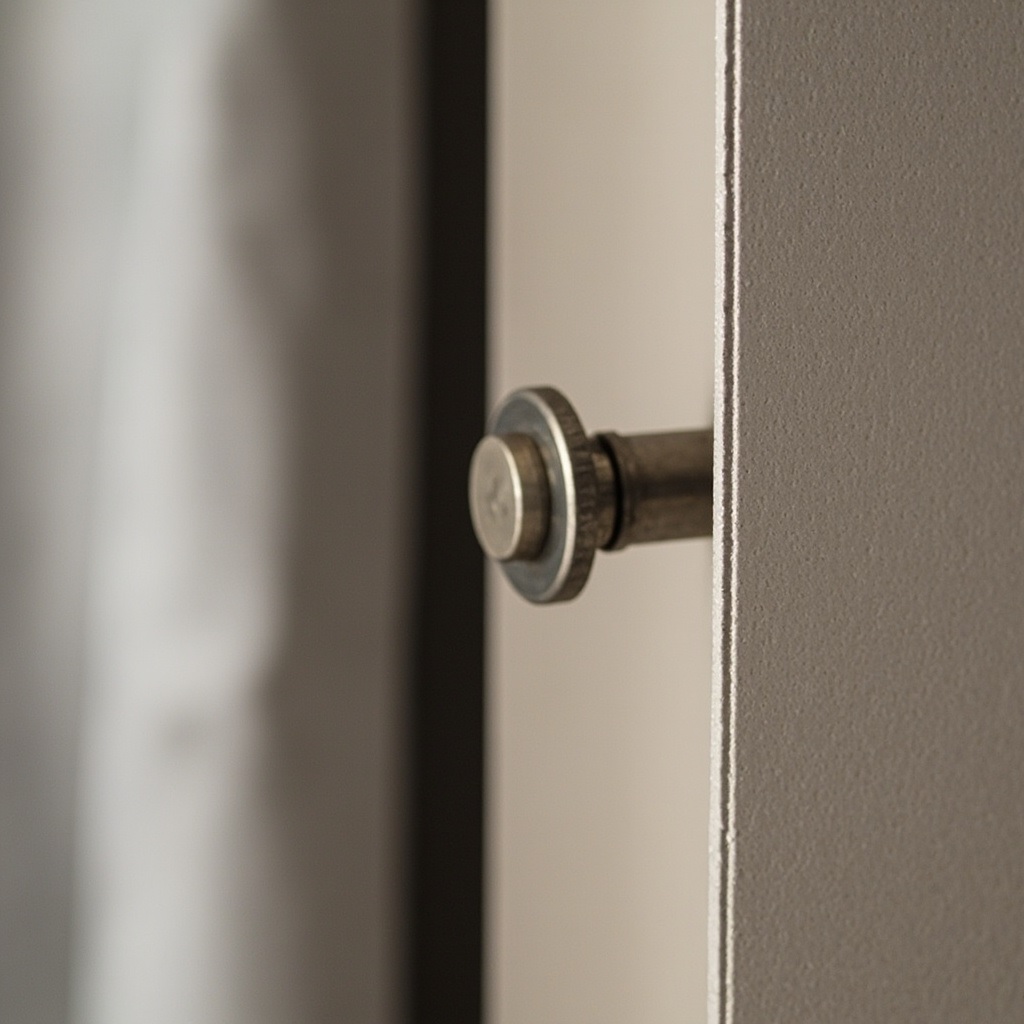
 Let’s cut the fluff. You’re not buying curtain hardware to look at it for a week. You’re installing it in a home, a hotel, or a high-end commercial space where every scratch, chip, and fade screams “cheap.” So when you’re staring down the choice between anodizing and powder coating, you’re not just picking a color. You’re deciding how long that hardware survives the real world—humidity, UV rays, cleaning chemicals, and the occasional toddler yanking on a drape.
Here’s the raw truth: anodizing is the silent champion for metal curtain rods, brackets, and finials. Powder coating is the flashy cousin that looks great at the party but shows wear faster than you’d like.
Anodizing isn’t a paint job. It’s an electrochemical transformation. You take Aluminum Alloy Curtain Hardware—and you literally grow the surface into a protective oxide layer. That layer becomes part of the metal. It doesn’t peel. It doesn’t flake. It doesn’t bubble when a cleaning spray hits it. For curtain rods that live near windows, where sunlight and condensation are daily enemies, anodized finishes hold their color and structural integrity like a fortress. The matte, metallic sheen it produces? That’s not a coating. That’s the metal’s own armor.
Powder coating, on the other hand, is a thick, plastic-based layer baked onto the surface. It offers a wider range of colors and textures—glossy, textured, hammered, even faux wood. If you need a specific Pantone match for a designer’s vision, powder coating wins that round. But here’s the catch: it’s a shell. A hard shell, sure, but still a shell. Drop a heavy curtain panel on a powder-coated bracket, and you’ll likely see a chip. Once that chip appears, moisture sneaks underneath, and the corrosion game begins. In high-traffic rental properties or coastal environments, that’s a ticking clock.
Let’s talk about the feel. Run your finger along an anodized curtain rod. It’s smooth, cool, and dense. It whispers quality. Powder coating feels warmer, slightly thicker, and sometimes a little rubbery. That’s fine for a budget-friendly project, but if you’re selling a premium product or outfitting a luxury space, the tactile difference matters. Customers notice. They don’t always say it, but they feel it.
Maintenance? Anodizing laughs at it. Wipe it down with a damp cloth. Done. Powder coating requires care—no abrasive cleaners, no scrubbing, and definitely no metal scouring pads. Over time, UV exposure can cause powder-coated surfaces to chalk or yellow, especially in south-facing windows. Anodized aluminum resists UV degradation because the color is integral to the oxide layer, not a pigment suspended in resin.
Now, the elephant in the room: cost. Anodizing typically runs higher per piece because the process is more controlled and the material prep is exacting. But here’s the marketing truth you need to sell—higher upfront cost equals lower lifetime cost. Powder coating might save you a few dollars per unit, but you’ll pay for it in returns, replacements, and unhappy customers who see rust spots within two years.
If you’re a manufacturer or a specifier, stop treating this like a coin flip. Match the finish to the job. For interior curtain hardware that demands durability, a sleek metallic look, and zero maintenance drama, anodizing is your anchor. For temporary installations, budget lines, or projects where color variety trumps longevity, powder coating has its place. But never confuse “cheaper to apply” with “better value.”
Your hardware is the skeleton of the window treatment. Make sure it doesn’t rot. Choose anodizing. Let the powder coaters fight over the low end. You’re building something that lasts.