A well-organized battle belt becomes even more effective when paired with the right IFAK setup. Quick access to medical essentials can improve confidence, increase readiness, and support smoother movement during demanding activities. Choosing the ideal IFAK solution involves balancing comfort, accessibility, storage capacity, and durability without creating unnecessary bulk.
Prioritize Fast and Easy Access
An effective IFAK should allow rapid access to critical supplies when every second matters. Placement and opening style play a major role in improving efficiency.
Important access features include:
- Pull tabs that are easy to grab with either hand
- Smooth opening systems for quick deployment
- Secure retention that keeps items stable during movement
- Exterior markings that help identify medical gear instantly
- Compact layouts that reduce snagging on surrounding equipment
A battle belt setup should allow the user to reach medical supplies without shifting gear around or removing other pouches.
Focus On Comfort and Mobility
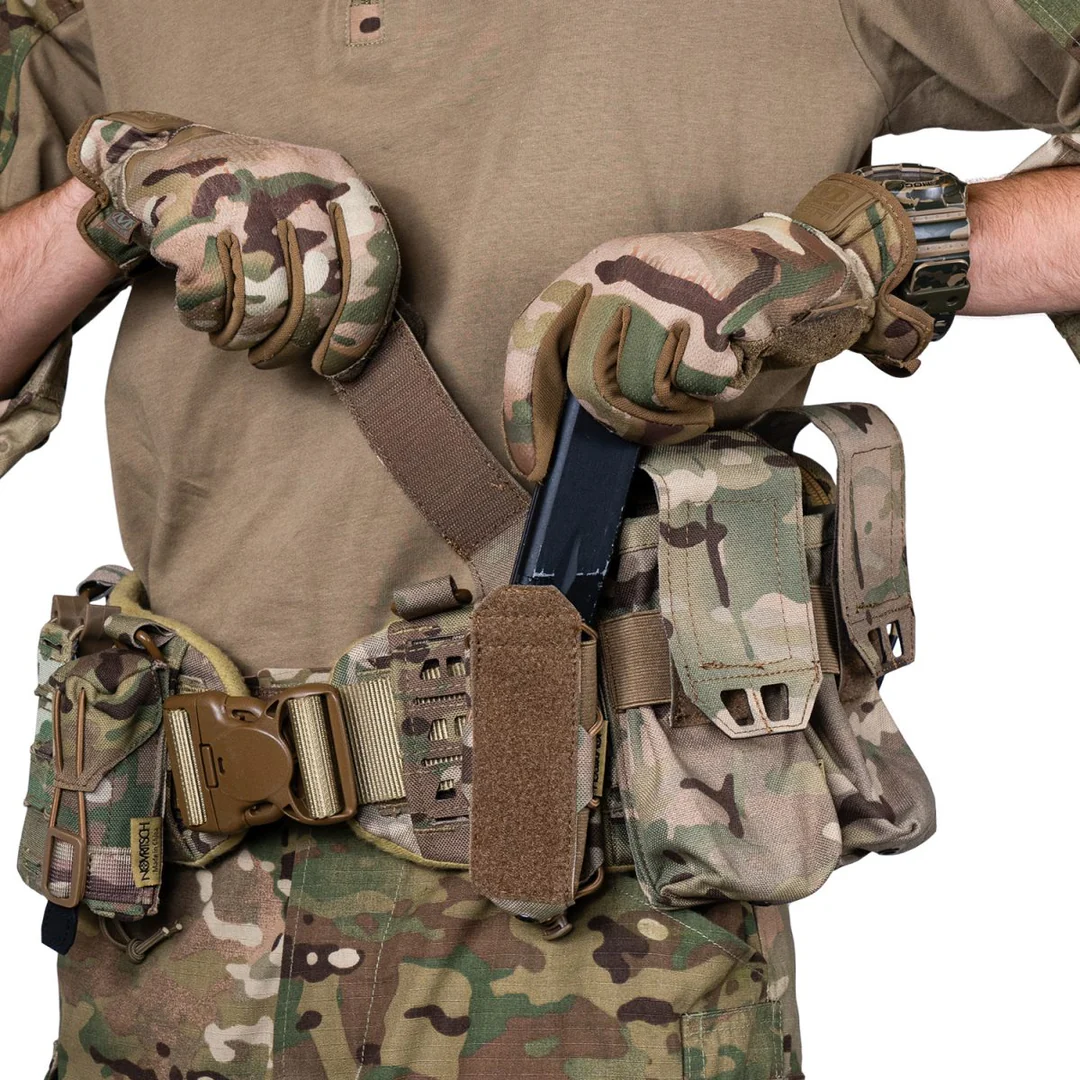
Comfort is essential for extended wear. A bulky or poorly positioned IFAK can create pressure points and reduce movement efficiency.
Helpful comfort considerations:
- Lightweight pouch construction
- Slim profile designs that sit close to the belt
- Balanced placement that distributes weight evenly
- Flexible attachment systems for better positioning
- Rounded edges that reduce rubbing during movement
Many users prefer placing the IFAK toward the rear side of the belt to keep the front area open for mobility and faster access to other tools.
Select the Right Internal Organization
A cluttered medical pouch can slow response time. Organized compartments help users identify and retrieve supplies quickly.
Useful internal storage options:
- Elastic retention loops
- Mesh compartments
- Fold-out panels
- Clearly separated sections
- Easy-to-remove insert trays
Proper organization helps prevent supplies from shifting while improving visibility under stress.
Choose Durable Materials
Battle belt gear often faces rough handling, dirt, moisture, and constant movement. A dependable IFAK should withstand belt ifak demanding conditions while protecting medical contents.
Key durability features:
- Reinforced stitching
- Strong zipper systems
- Abrasion-resistant fabric
- Water-resistant construction
- Secure mounting points
Reliable materials improve long-term performance while reducing the chances of equipment failure.
Keep the Load out Practical
Overloading an IFAK can make the battle belt heavy and uncomfortable. A practical setup focuses on essential medical items while maintaining a compact form.
Common essentials often include:
- Bandages
- Tourniquets
- Gloves
- Gauze
- Trauma shears
- Compression wraps
Keeping the pouch streamlined helps maintain agility and improves overall belt balance.
Test and Adjust the Setup
Even a high-quality IFAK benefits from regular adjustment and practice. Users should test placement, accessibility, and comfort during realistic movement.
Smart adjustment tips:
- Practice one-handed access
- Reposition the pouch if movement feels restricted
- Check attachment stability frequently
- Repack supplies neatly after training
- Replace worn or damaged components promptly
Consistent evaluation helps create a setup that feels natural and dependable.
Finding the ideal IFAK solution for battle belt users involves more than simply attaching a pouch. The right setup supports quick access, comfortable movement, organized storage, and dependable durability. A carefully planned configuration can improve readiness while keeping essential medical supplies close at hand in a clean, efficient, and practical way.